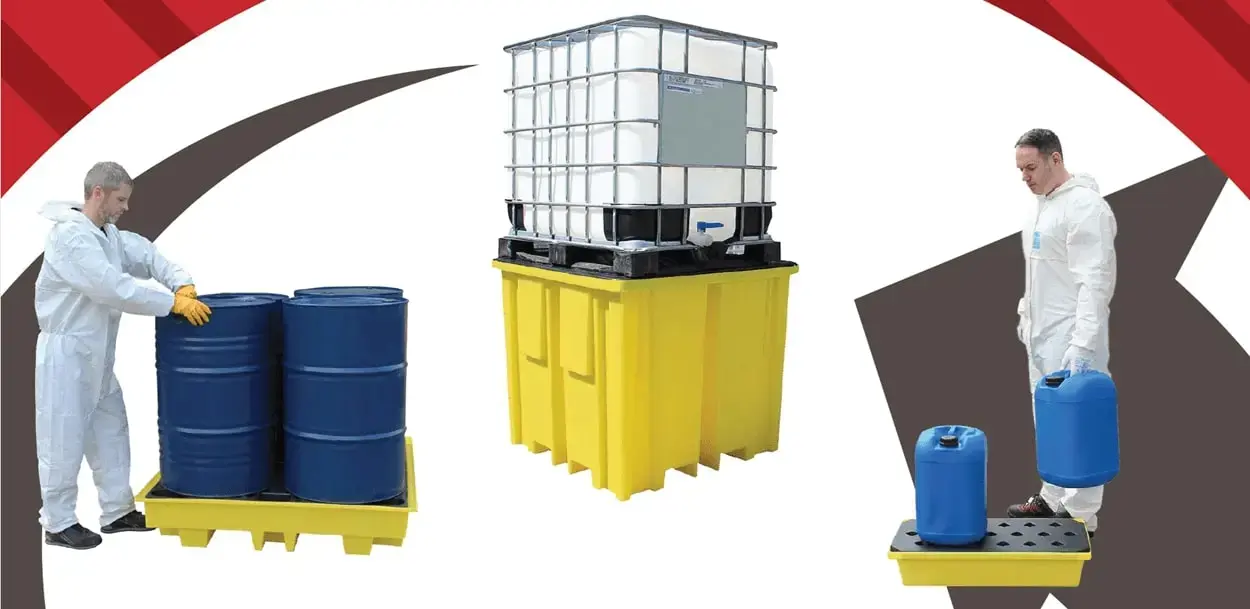
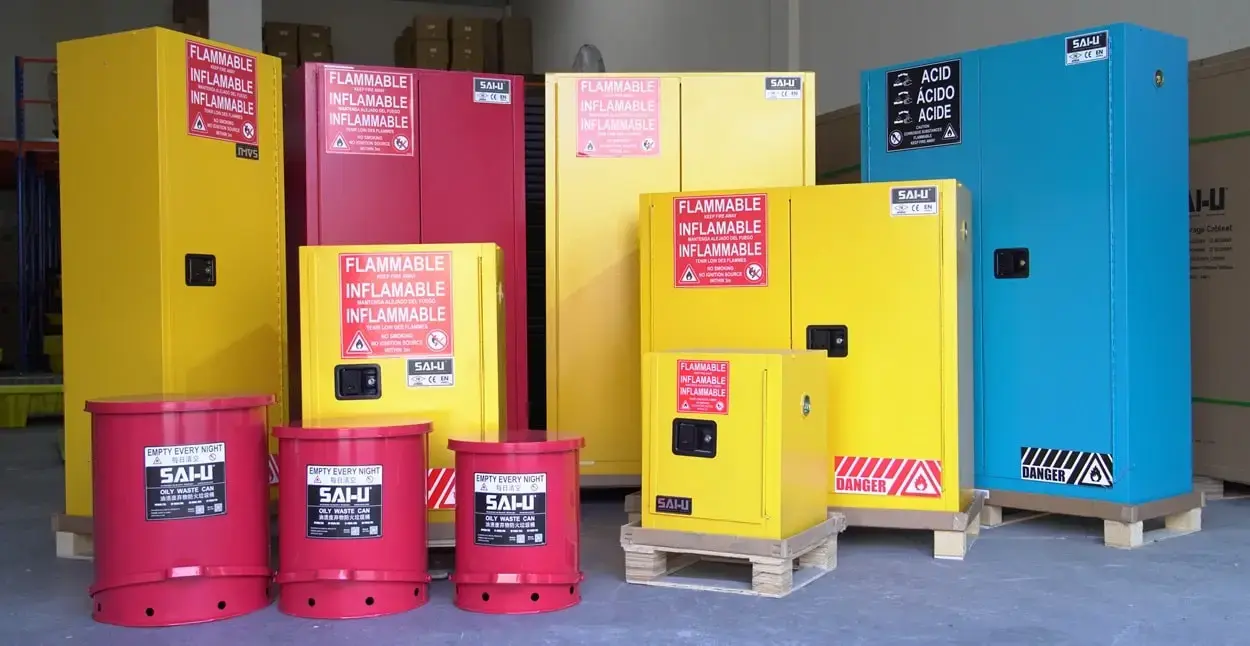
Choosing the right one is essential, isn’t it? Especially while opting chemical safety cabinets.
While it comes to risky materials, the storage solution is not just a matter of convenience – it’s a matter of life, regulation and operational integrity. And you know there are some unsung heroes in industrial safety, they include, safety cabinets like a flammable storage cabinet, chemical storage cabinet, or flammable safety cabinet.
But a crucial piece often missed? Capacity.
There’s no room for compromise here – safety, compliance, and operational continuity are all at stake. So, how are you going to make the right choice? Getting the capacity right from the start is important for safety and compliance.
In this blog we explain how to size your cabinet correctly, avoiding common pitfalls and making sure your lab or shop stays compliant.
In this blog,
Why Capacity Matters in Chemical Safety Cabinets
Assessing Your Storage Requirements
Regulatory and Compliance Requirements
Cabinet Configuration and Size Selection
Physical Layout and Accessibility
Construction and Safety Features
Risk Assessment and Housekeeping
Final Selection Tips
Conclusion
Why Capacity Matters in Chemical Safety Cabinets?
A chemical safety cabinet isn’t an elevated platform- it’s an engineered unit made to hold dangerous substances under specific limits. Each hazardous material cabinet comes with a Maximum Capacity Rating – a value printed clearly on the cabinet’s label.
This is not just for show. Exceeding it impacts:
- Structural integrity of the cabinet body and lugs
- Proper operation of fire-resistant cabinet doors
- Effectiveness of spill containment sumps
- Vapor management, affecting indoor air quality
Simply put, the right capacity is your first line of defense. Overloading a flammable cabinet can result in inoperable safety features and ultimately lead to workplace disasters.
Assessing Your Storage Requirements
Are you planning to invest in any safety cabinet? Before that it is essential to evaluate what you are storing, how often you access it, and how much you’ll need over time. Many facilities make the mistake of buying based on just current goals, overlooking future inventory growth, workspace expansion or process changes.
Before you invest in any safety cabinet, it’s essential to evaluate what you’re storing, how often you access it, and how much you’ll need over time. Many facilities make the mistake of buying based on current needs only, overlooking future inventory growth, workspace expansion or process changes.
A thorough storage assessment not only helps determine the correct flammable storage cabinet or chemical safety locker size but also prevents improper segregation of substances – a leading cause of industrial incidents.
Right from flammable solvents to corrosive agents and combustible solids, each class demands specific containment strategies. The goal is not just safe storage but smart organization that improves workflow, enhances compliance, and reduces downtime in the event of an emergency.
Let’s break it down step-by-step.
A. Inventory Assessment
Begin by mapping out what you’re storing:
- Flammable liquids (e.g., acetone, ethanol)
- Corrosives
- Combustibles
- Oxidizers
This helps determine whether you need a flammable liquid storage solution, secure chemical cabinet, or multiple specialized units.
Also, classify chemicals based on hazard compatibility. Never store oxidizers with flammables – it’s not just unsafe, it’s illegal.
B. Volume Calculation
Let’s say you have:
| Chemical Class | Volume/ Unit | Units | Total Volume |
| Flammable (Class 3) | 20L | 6 | 120L |
| Corrosives | 10L | 4 | 40L |
You now need at least one 160L flammable cabinet and one 50L corrosive-resistant unit, allowing some breathing room.
Always factor in:
- New inventory over the next 12 months
- Container sizes (bottles, drums, bags)
- Seasonal fluctuations
C. Frequency of Use
If certain chemicals are used daily across various work zones, decentralize your cabinets:
- Wall-mounted flammable safety cabinet for labs
- Under-bench secure chemical cabinet for high-frequency use
- Floor-standing cabinets in central locations
Regulatory and Compliance Requirements
Storage cabinets must meet both your needs and legal codes. Requirements vary by region, but some principles are universal. In general, most codes demand tested construction (double walls, self‑closing doors, etc.) and set quantities per cabinet or area. They also specify signage and certification.
The table below highlights typical rules:
A. Know the Legal Limits
Different regions impose different volume caps:
| Region | Regulation | Max Volume Inside Building |
| USA | OSHA/NFPA | 60 gallons/class per cabinet |
| Canada | WHMIS/TDG | ~250L, depending on class |
| Australia | AS 1940-2017 | 850L/class in one cabinet |
Overstepping these numbers can invalidate your insurance or even shut down your operations.
B. Installation Guidelines
- You can’t stack unlimited cabinets in one room.
- The floor area must support cabinet weight.
- Ventilation access is mandatory in some cases.
Check for building code restrictions including Dubai Municipality or Civil Defense spacing regulations, especially for indoor flammable storage.
C. Manufacturer Certifications
Always select a fire-resistant cabinet that meets:
- UL 1275 or FM approval
- Clearly marked capacity labels
- Heat-resistant self-latching doors (for flammables)
Cabinet Configuration and Size Selection
Selecting the right configuration and size for your safety cabinet isn’t just a technical decision – it’s a strategic one. Whether you are storing flammable substances, corrosives or other risky materials, the internal layout and external footprint of your cabinet must align with your workflow, storage volume and safety protocols.
A mismatch between your chemicals and your cabinet can lead to underutilized space, constant rearrangement, or worse – compromised safety. By understanding capacity ranges, container fitment, and the dangers of overloading, you can make an informed investment that balances compliance with convenience.
Here, we’ll walk through how to customize your chemical storage cabinet to fit both your current operations and future growth.
A. Understand Size Options
| Cabinet Type | Capacity Range | Best Use Case |
| Indoor | 15L – 850L | Labs, warehouses, factories |
| Outdoor | 80L – 8,000L | Bulk storage, remote facilities |
For instance, storing 120L of acetone? A 160L flammable storage cabinet gives you room to grow and stay compliant.
B. Packaging Fitment Example
Take a standard medium-capacity cabinet (e.g., 250L model) commonly used in labs. It can comfortably house:
- 9 x 20L drums
- Or 36 x 5L containers
Be sure to account for container shapes – flat vs. round – when choosing cabinet dimensions.
C. Avoid Overloading
Too many operators cram “just one more bottle” into their cabinets. Here’s what that leads to:
- Bent or broken shelves
- Locking mechanisms failing
- Self-closing doors jamming
- Violation of fire code rules
D. Choose Slightly Higher Capacity Than Needed
Instead of getting a 120L cabinet for 120L worth of chemicals, opt for a 160L. Benefits:
- Avoids last-minute reorganizing
- Keeps chemical access organized
- Allows for company growth
Physical Layout and Accessibility
A perfectly chosen cabinet becomes effective only when; where and how it’s placed. The physical layout of your faculty plays an important role in determining the safety, convenience and efficiency of dangerous material storage.
You must know that, it’s not about just fitting a cabinet into an open corner; it’s totally about making sure that there’s enough room for safe access, proper ventilation if needed and open movement during emergencies.
From under-bench units in right lab environments to floor-standing models in high-traffic zones, it is essential to place thoughtful cabinets to improve workflow and reduce risk. And know how to upgrade your space and match cabinet design to practical, real-world usage.
A. Space Assessment
Before buying, measure:
- Cabinet footprint (with door swing)
- Aisle clearance (at least 36 inches)
- Emergency egress paths
B. Placement Strategy
| Type | Use Case |
| Under-bench | Labs, limited floor space |
| Wall-mounted | Secondary containment |
| Modular | Future scalability |
| Floor-standing | Centralized storage |
C. Accessibility Features
Look for:
- Adjustable shelving for container flexibility
- Ergonomic handles for frequent users
- Bright hazard signage
- Integrated locks with key control
Construction and Safety Features
What’s more important than the surface? Yes, what things go inside. The construction materials and integrated safety features are organized to actively prevent accidents in high-risk environments.
May it for storing flammable liquids or corrosive substances, the cabinet’s build quality must withstand extreme conditions like fire exposure, chemical vapors and physical impact.
Over basic structure, modern cabinets now include innovations that improve usability and safety, such as self-closing doors and grounding systems. Understanding these construction elements is key to selecting a cabinet that offers both protection and performance.
A. Fire and Chemical Resistance
Material choice matters:
- Flammables: 18-gauge double-walled steel
- Corrosives: Polyethylene-lined or epoxy-coated steel
Don’t ventilate unless legally required – it may compromise fire containment.
B. Spill Containment
Built-in sumps must hold 110% of the biggest holder put away.
Tip: Don’t block sump space with tools or boxes – it defeats the purpose.
C. Advanced Features
- Self-latching, self-closing doors (mandatory in many regions)
- Grounding connectors for flammable vapors
- Stackable modules to expand as needed
Risk Assessment and Housekeeping
If it’s not used and maintained properly, even the best cabinets can fall. To make sure the chemical storage remains safe and compliant over time, ongoing risk assessment and good housekeeping services are important.
From stopping overloading to organizing chemicals by type and usage, these routines help to minimize daily threats and support emergency readiness. Regular inspections, staff training and clear labeling go a long way in keeping safety cabinets functional and secure.
The below points outline simple yet effective ways to manage chemical storage risks and maintain a safer workplace.
A. Preventing Overloading Hazards
- Use capacity signage inside the cabinet
- Train staff on fill lines and cabinet types
- Perform monthly inspections
B. Safe Chemical Organization
- Separate incompatible chemicals
- Group by frequency of use (daily, weekly, occasional)
- Add containment trays or bottle racks for fragile containers
Final Selection Tips
With so many variables at play from chemical types and volumes to regulatory constraints and physical space, selecting the right safety cabinet can feel overwhelming. But with a structured approach, it becomes a manageable and you know, even strategic decision.
The key is to think beyond immediate needs and consider long-term safety, scalability, and compliance. A well-chosen cabinet should not only fit your current setup but also adapt to future changes in operations.
In this final section, we’ll outline essential questions to ask before purchasing and highlight why expert guidance can make all the difference in getting your investment right the first time.
A. Checklist Before You Buy
What chemical classes are you storing?
How much total volume (now + future)?
What container shapes/sizes will be used?
What’s the compliance limit in your jurisdiction?
How will it fit into your workspace layout?
B. When in Doubt, Consult Experts
Suppliers like Dolphin Safety often offer free site assessments, CAD layouts, or even chemical compatibility charts. Don’t guess – verify.
Key Points
Choosing the right cabinet capacity provides safety, compliance and clean air.
Evaluate what you store, how often you use it, and plan for future needs.
Follow legal capacity limits from OSHA, NFPA, EN14470-1, and relevant local authority codes in the UAE or GCC to avoid violations.
Choose sizes that fit your container types without risking overload.
Place cabinets where they’re accessible, safe, and don’t block emergency exits.
Use fire-resistant materials and features like spill sumps and self-closing doors.
Always check key details or consult experts before buying.
Conclusion
In conclusion.
Investing in the right flammable safety cabinet or chemical storage cabinet is not just about storing bottles – it’s about containing risk, following law and protecting lives. Whether you’re managing a single lab or a sprawling facility, the right capacity is what separates a close-call from a disaster.
Looking for more guidance or a customized cabinet layout for your site? to explore Dolphin Safety Trading’s full range of safety cabinets and storage solutions trusted across the UAE and GCC.